

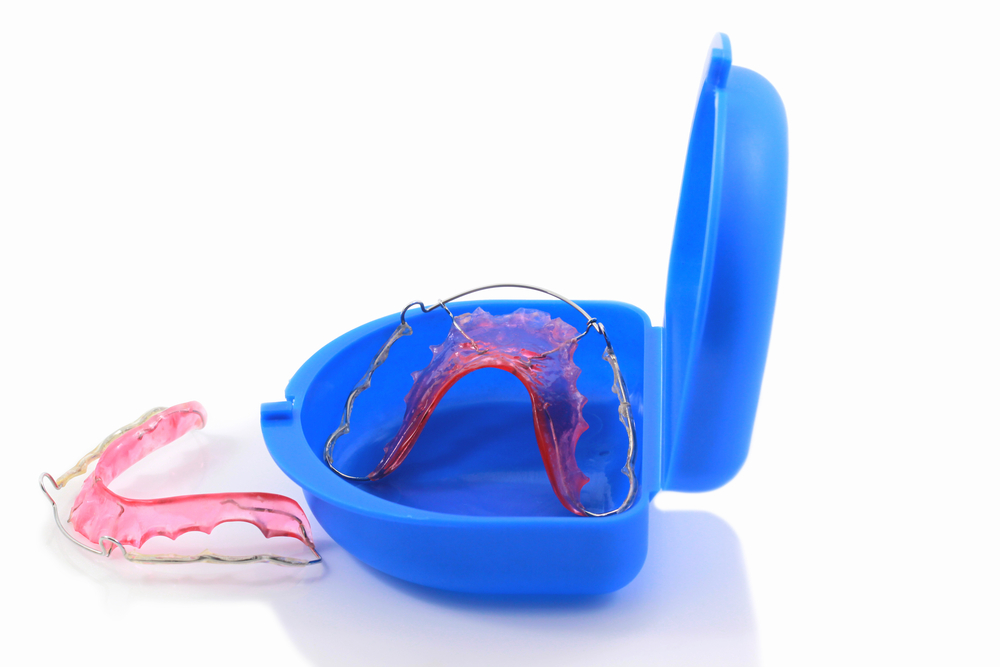
After finally getting your braces off, wearing a retainer is essential to protect your new smile. Many patients ask “how to clean a retainer” properly once orthodontic treatment ends — and the answer is just as important as remembering to wear it.
Retainers are typically worn full-time for a number of months, and this much time in the mouth can lead to a buildup of plaque, bacteria, calcium deposits and other problems. Keeping your retainer clean is an ongoing process, but with a few simple tips your retainer and your smile will stay in great shape for longer.
HOW OFTEN YOU SHOULD CLEAN YOUR RETAINER
Long-term exposure to the inside of your mouth means that bacteria and plaque can build up quickly on a retainer just like they would on your teeth if you didn’t brush. Knowing how to clean a retainer regularly will help prevent unpleasant odours and buildup.
We recommend rinsing your retainer every time you remove it from your mouth. In addition to this, you should give it a proper clean at least once a day. Daily cleaning retainers helps prevent plaque and calcium deposits from hardening on your appliance.
HOW TO CLEAN A RETAINER
There are a few ways you can clean a retainer. Some of the more common advice includes:
- Cleaning it while still wet, to avoid any plaque or calcification solidifying.
- For visible plaque buildup on the retainer, use water or dishwashing liquid and a soft brush to gently remove it, then rinse. Don’t use abrasive solutions like toothpaste, especially for wire retainers. For plastic retainers, a cotton bud may be easier to get to the smaller grooves.
- For invisible plaque, soaking the retainer in denture solution should keep it fresh for the next time you wear it. A bad-smelling retainer is the easiest warning sign of invisible plaque.
STORING A RETAINER WHEN NOT IN USE
Knowing how to clean a retainer is only part of proper care safe storage matters too.
Retainers should not be exposed to excessive heat or dryness. Hot water and heated surfaces can warp or melt plastic orthodontic retainers, and leaving them out in the open air to dry may increase the risk of cracking or damage.
Try to keep your retainer in its case when transporting it (after rinsing it, of course). Some patients also lightly soak their retainer in water when not in use to prevent drying out. Proper storage supports good hygiene and makes cleaning retainers easier in the long run.
LOSING YOUR RETAINER
It can be really easy to misplace a retainer, so extra care should be taken to avoid this – you don’t want to keep paying for replacements! Here are some useful tips for keeping track of your retainer:
- Don’t wrap it in a napkin or tissue while you eat – you’re much more likely to forget it’s there and throw it out with the rest of your rubbish.
- Keep your retainer case in the same place while at home, so you always know it’s there.
- Try not to store it in your pocket. Not only is it more likely to get broken, but if you forget about it and it goes through the washing machine it will warp out of shape.
If you have any questions about caring for your retainer after braces or would like to know more about why you need a retainer, book a consultation with Dr. Daniel at Solas Orthodontics today!

